


Quick Links
University Graduate School
Location
Explore FIU
Tools & Resources

Connect












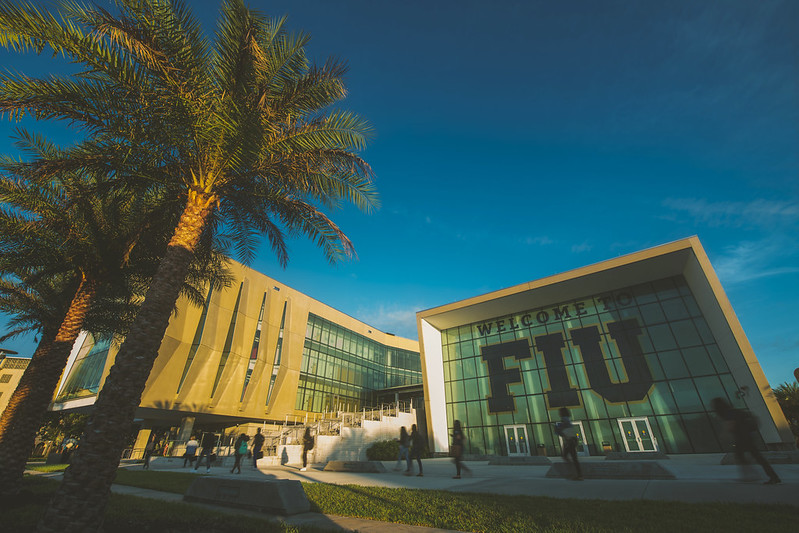
Join an innovative University with an established position as a leader in graduate education.
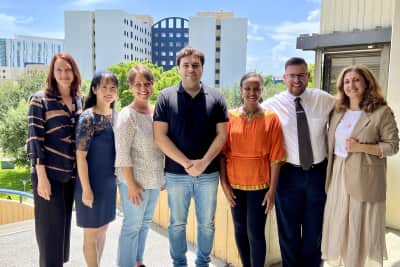
The University Graduate School has created the Writing Fellows Program to train doctoral students to be writing coaches for their peers. ... [Learn More]

The prestigious organization tapped three Ph.D. students in recognition of their academic excellence and demonstrated leadership. ... [Learn More]

Deidre Okeke is one of three Panthers who became the first FIU students to join the Bouchet Society. Okeke dreams of improving people’s health – one TV segment at a time. ... [Learn More]
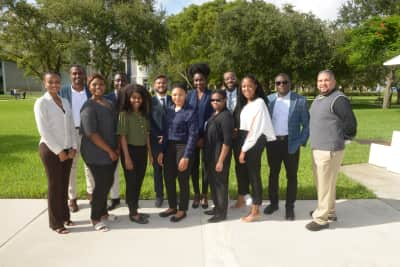
Building a sense of community for doctoral students: DEI launches its inaugural Fellowship Cohort with 15 students ... [Learn More]
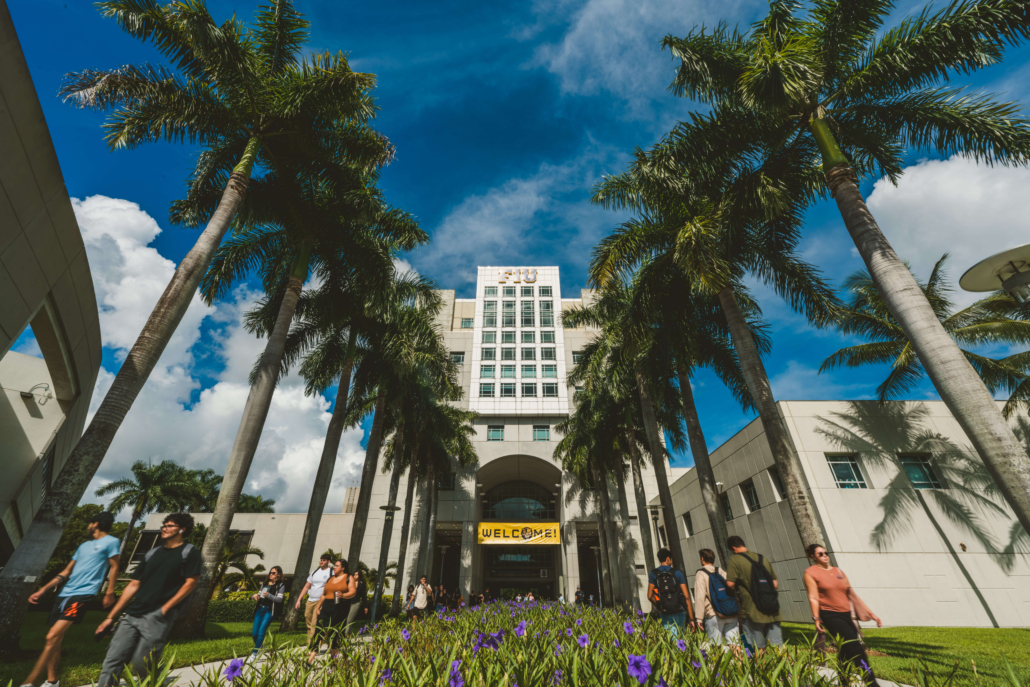
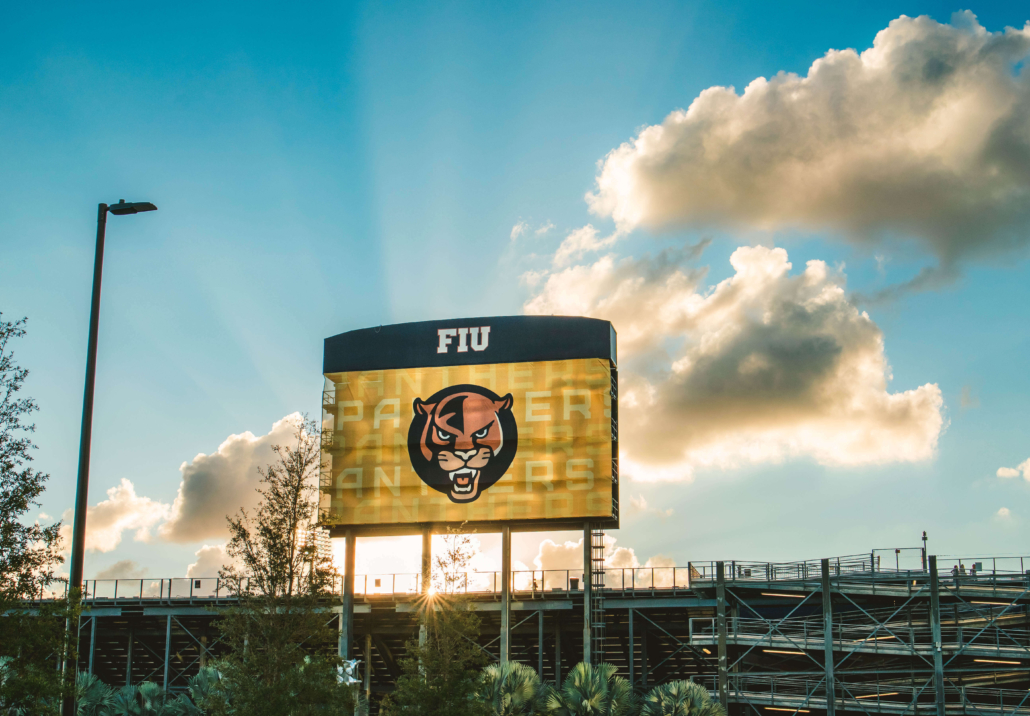
Graduate Admissions is located at the OneStop, SASC building
Graduate admissions matters are handled by the OneStop Office located on the first floor of the SASC building. Please bring your admissions docs/inquiries to OneStop, or call them at 305-348-7000. Please click here for a location map.
Click here to visit the Graduate Admissions website.
*Please keep in mind that graduate admissions matters related to Business masters/professional doctorate applicants are handled by the College of Business, CBC 200, or call them at 305-348-0148.
Theses and Dissertations produced by graduate students at Florida International University.